
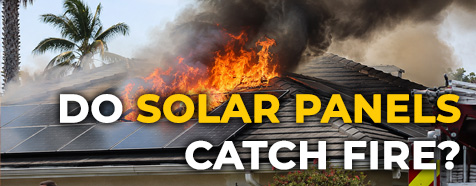

If you have seen recent news stories about solar panels catching fire, you are probably asking the same question many homeowners are asking.
Do solar panels really catch fire?
The short answer is yes, fires involving solar energy systems can happen. However, the solar panels themselves are rarely the cause.
Understanding the difference can help you make a safer and more informed decision about installing solar on your home.
Watch the Expert Explanation
If you would like to hear this explanation directly from Pedro Anselmo, Founder of Sunlight Solar, watch the video below. In just a few minutes, he explains why solar panels are often blamed for fires, what actually causes most solar related incidents, and what every homeowner should know before investing in solar.
🎥 Watch the full video on YouTube: https://youtu.be/MiaJlv_8QJk
Then continue reading below for a more detailed explanation and answers to the most common questions about solar panel safety.
Do Solar Panels Catch Fire?
The answer is not in the way many people think.
Modern solar panels are built with multiple safety features and must meet strict certification standards before they can be installed in the United States.
Inside every solar panel is a small junction box that contains electrical connections and protective components. In the rare event of an internal electrical issue, these protective devices are designed to isolate the problem instead of allowing it to spread throughout the panel.
In other words, a properly manufactured and certified solar panel is not expected to catch fire on its own.
What Really Causes Solar System Fires?
When a fire is associated with a solar installation, the cause is usually outside the panel itself.
The most common reasons include:
- Poor installation practices
- Loose electrical connections
- Incorrect system design
- Improperly sized wiring
- Faulty electrical equipment connected to the system
- Installations that do not follow electrical codes
These issues can create electrical faults that generate excessive heat, which may lead to equipment failure and, in rare cases, a fire.
The quality of the installation is just as important as the quality of the equipment.
That is why choosing an experienced and licensed solar contractor is one of the most important decisions a homeowner can make.
Does the Solar Panel Itself Spread Fire?
In most cases, no.
If an electrical component such as an inverter or another piece of equipment experiences a failure, that equipment may become the source of a fire.
The panel itself is typically not what starts the incident.
This distinction matters because many news headlines simply report a solar fire, leading homeowners to believe the panel was defective when the actual cause may have been an installation or electrical issue.
Do Solar Panels Attract Lightning?
Another common myth is that solar panels attract lightning.
They do not.
Solar panels are no more likely to attract lightning than any other part of your roof.
A properly installed solar energy system includes a grounding system designed according to electrical code. This helps protect the equipment during electrical events.
If lightning strikes nearby, it is possible for the electrical surge to affect components within the system, causing it to automatically shut down or require repairs. That does not mean the panels attracted the lightning or caused the strike.
Why Proper Grounding Matters
Grounding is one of the most important safety features of any solar installation.
A professionally grounded system helps:
- Protect electrical equipment
- Reduce the effects of electrical surges
- Improve overall system safety
- Meet National Electrical Code requirements
This is one more reason why professional installation should never be overlooked.
Are Microinverters Safe?
Many modern solar systems use microinverters, which are small devices installed beneath each solar panel that convert DC electricity into usable AC electricity.
One of the biggest advantages of microinverters is that they are modular.
If one unit ever fails, it can usually be replaced without replacing the entire solar panel.
Like all electrical equipment, microinverters are designed to operate safely when they are installed correctly and according to the manufacturer’s specifications.
The Biggest Risk Is Poor Installation
One of the biggest misconceptions about solar energy is that buying premium panels automatically guarantees a safe system.
The reality is that even the best equipment can perform poorly if it is installed incorrectly.
That is why homeowners should look for a contractor that provides:
- Licensed and insured installation
- Experienced in house installation crews
- Professional electrical design
- Code compliant installations
- Certified equipment
- Strong workmanship warranties
- Long term service and support
These factors often have a greater impact on safety and long term system performance than the brand of the solar panel itself.
The Bottom Line
Solar energy has become one of the safest and most reliable ways to power a home.
While fires involving solar systems can occur, investigations often point to installation mistakes, faulty electrical connections, or improperly installed equipment rather than the solar panels themselves.
When a system is properly designed, installed by qualified professionals, grounded correctly, and built with certified equipment, solar remains a safe, dependable, and long lasting investment.
If you are considering going solar, do not focus only on the panels.
Focus on who is installing them.
The installer, the engineering, and the quality of the workmanship are just as important as the technology on your roof.
Frequently Asked Questions
Can solar panels catch fire?
Certified solar panels are designed with multiple safety features and are not expected to catch fire on their own. Most reported solar related fires are linked to installation issues rather than the panels themselves.
What causes solar system fires?
The most common causes include poor installation, loose electrical connections, faulty wiring, incorrect system design, or malfunctioning electrical equipment connected to the solar energy system.
Do solar panels attract lightning?
No. Solar panels do not attract lightning. A properly grounded solar energy system is designed to safely manage electrical events and meet current electrical code requirements.
Are microinverters safe?
Yes. Microinverters are widely used in residential solar systems and are designed to operate safely when installed correctly. If one fails, it can usually be replaced individually.
How can I make sure my solar system is safe?
Choose a licensed and experienced solar installer, verify that certified equipment is being used, make sure the system is professionally engineered, and work with a company that stands behind its installation with long term service and support.