


Florida homes rarely announce problems.
They don’t creak or collapse overnight.
They quietly deteriorate, until repair becomes unavoidable.
That’s the part most homeowners don’t see coming: the silent stuff. The small leak that never drips onto the floor. The microcrack that doesn’t show up from the street. The heat inefficiency that looks like “normal Florida living”… until the power bill says otherwise.
At Sunlight, we’ve spent decades in Florida homes (solar, roofing, and home improvement), and the pattern is always the same: the expensive problems usually started as quiet ones.
Why subtle damage is more dangerous
Big damage gets attention. Quiet damage gets time.
And time is what turns a manageable issue into an expensive one.
The quiet problems that cost the most later
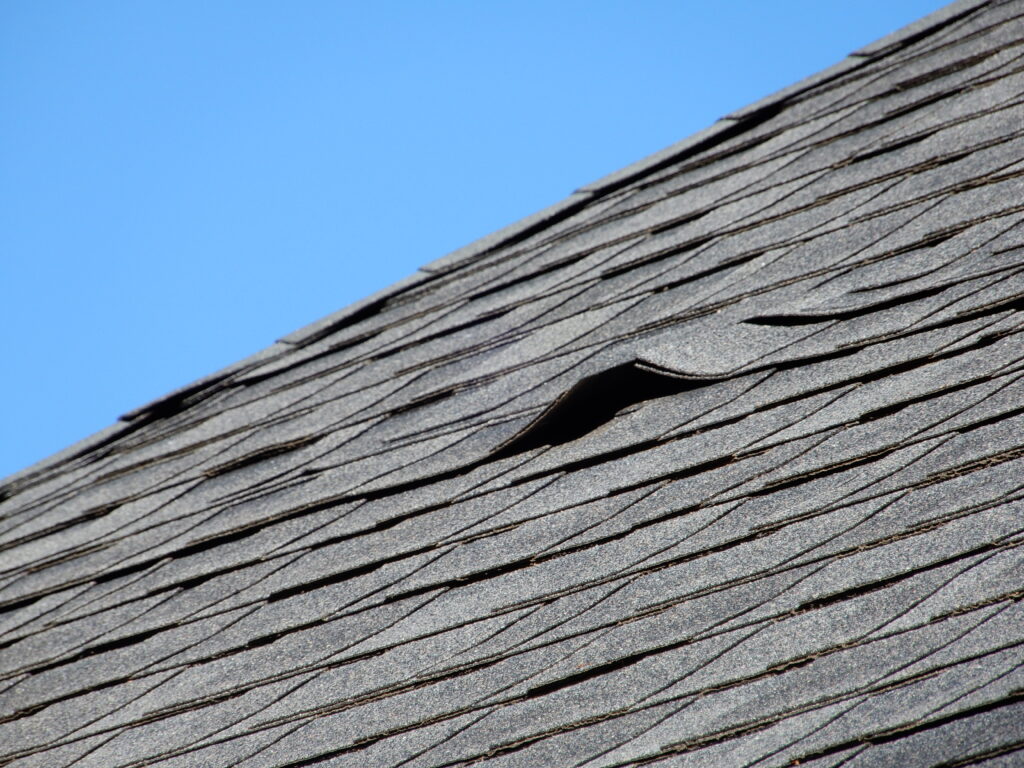
- Small roof leaks that seep into decking or insulation long before you see a stain
- Microcracks around flashing, vents, and seams that expand with heat + storms
- Heat gain / inefficiency from attic leaks and low insulation that makes your HVAC work harder
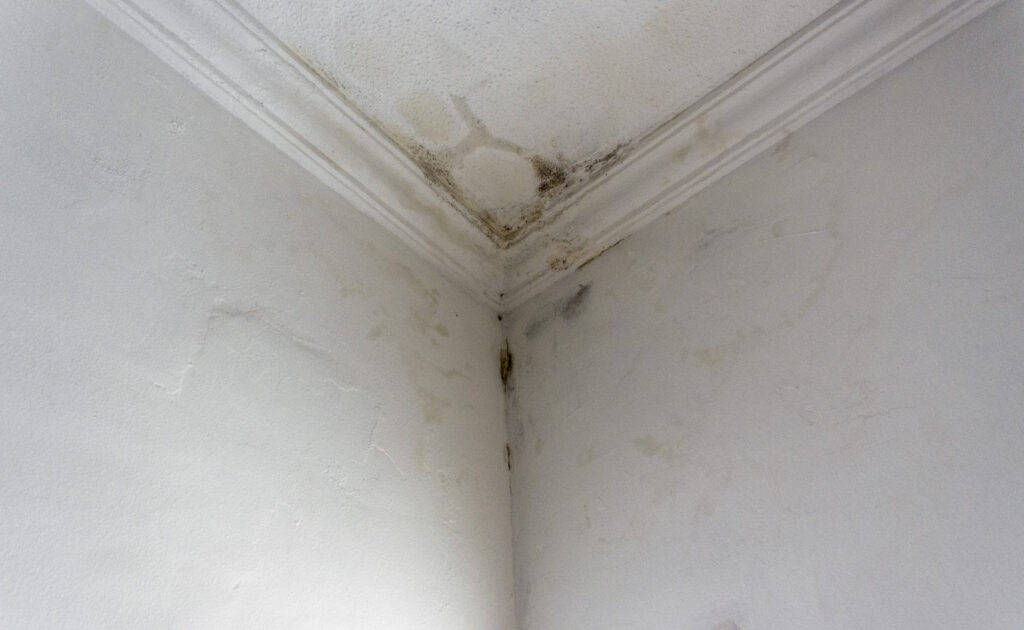
Moisture is a perfect example: mold control is moisture control, and water-damaged areas should be dried quickly (often within 24–48 hours) to reduce the chance of mold growth. US EPA+1
The problem is: many Florida leaks don’t show up dramatically. They show up slowly.
Why Florida accelerates wear
Florida isn’t “normal weather.” It’s a stress test.
Florida’s climate is shaped by warm surrounding waters and is known for hot, humid summers. State Summaries That humidity, combined with intense sun and storm cycles, speeds up aging in the parts of your home you don’t look at every day—roof systems, ventilation paths, insulation, sealants, and attic conditions.
The “Florida effect” on your home
- Heat + humidity push materials harder and longer each year State Summaries
- UV exposure is consistently high in many parts of the U.S., including Florida, and UV breaks down materials over time US EPA
- Attic leakage can quietly drain comfort and dollars, DOE notes that even a small gap around an attic access can leak substantial air (comparable to a typical bedroom duct in some cases) Energy Efficiency and Renewable Energy
- Air sealing + attic improvements are widely recommended as cost-effective home performance upgrades ENERGY STAR+1
In short: Florida speeds up wear. So “it looks fine” is not a guarantee—it’s often just the early stage.
Why waiting costs more than preparation
Waiting feels cheaper, until the “quiet problem” becomes a repair emergency.
3 ways waiting gets expensive in Florida
- Damage spreads invisibly (wood, insulation, interior air quality)
- Insurance pressure increases with roof age
- You lose the calm-decision window (and end up making rushed choices)
A big Florida-specific example: if your roof is 15 years or older, Florida law requires insurers to allow a homeowner to get a roof inspection by an authorized inspector before an insurer can require replacement as a condition of issuing or renewing a policy. The Florida Senate
That means roof “age” can become a decision point even when the roof looks fine—another reason proactive inspections matter.
Preparation doesn’t just reduce repair costs. It reduces stress.
Preparation costs less, and buys peace of mind.
What to do now (simple, no-hype checklist)
If you’re planning your home goals for the year, start with clarity:
- Roof check: look beyond shingles—inspect flashing, penetrations, edges, and attic signs
- Attic basics: air sealing + insulation + ventilation review (comfort and efficiency) ENERGY STAR+1
- Moisture control: address any water intrusion fast to reduce mold risk US EPA
- System thinking: solar, roofing, and home performance should work together—not fight each other
This is exactly where an experienced Florida company matters. Sunlight isn’t “new to the neighborhood.” We build plans that match Florida reality, because we’ve watched what happens when homeowners wait.
Why do Florida homes “fail quietly”?
Because many issues start behind surfaces: attic leaks, small roof breaches, moisture intrusion, and heat gain. They often don’t show visible signs until they’ve had time to spread. US EPA+1
What’s the most common hidden problem in Florida homes?
Moisture + heat issues (small leaks, humidity control problems, attic performance) are common because Florida is hot and humid for long stretches of the year. State Summaries+1
Why is an attic check so important in Florida?
Attics are where heat gain and air leakage often concentrate. DOE and ENERGY STAR resources highlight attic air sealing/insulation as a major comfort and energy performance opportunity. Energy Efficiency and Renewable Energy+2ENERGY STAR+2
Can insurance require roof replacement based on age?
Florida law includes specific protections around roofs 15 years or older and inspections, but insurers and policies vary, always confirm with your carrier. The Florida Senate
Quiet problems don’t stay quiet.
Prepared homeowners don’t panic.
If January is your planning month, make it the month you trade guesswork for clarity—so your home feels calmer, more predictable, and easier to own all year long.